Yes You Can Meal Plan, Even With ADHD
Living with ADHD can feel like running a marathon with no finish line — constant distractions, forgotten tasks, and the never-ending question of “What’s for dinner?” By the end of the day, decision fatigue kicks in, and takeout or sugary snacks often win. But here’s the game-changer: meal planning for ADHD isn’t just about food, it’s about creating structure, reducing stress, and fueling your brain for focus and energy.
Imagine walking into the grocery store with a clear list, cooking simple meals that actually support your mental health, and cutting down on the chaos of last-minute dinner panic. With the right strategies, meal planning becomes less overwhelming and more empowering — a tool that helps ADHD brains thrive.
In this guide, we’ll break down the benefits of meal planning for ADHD, practical tips to make it stick, and beginner-friendly strategies you can start using this week.
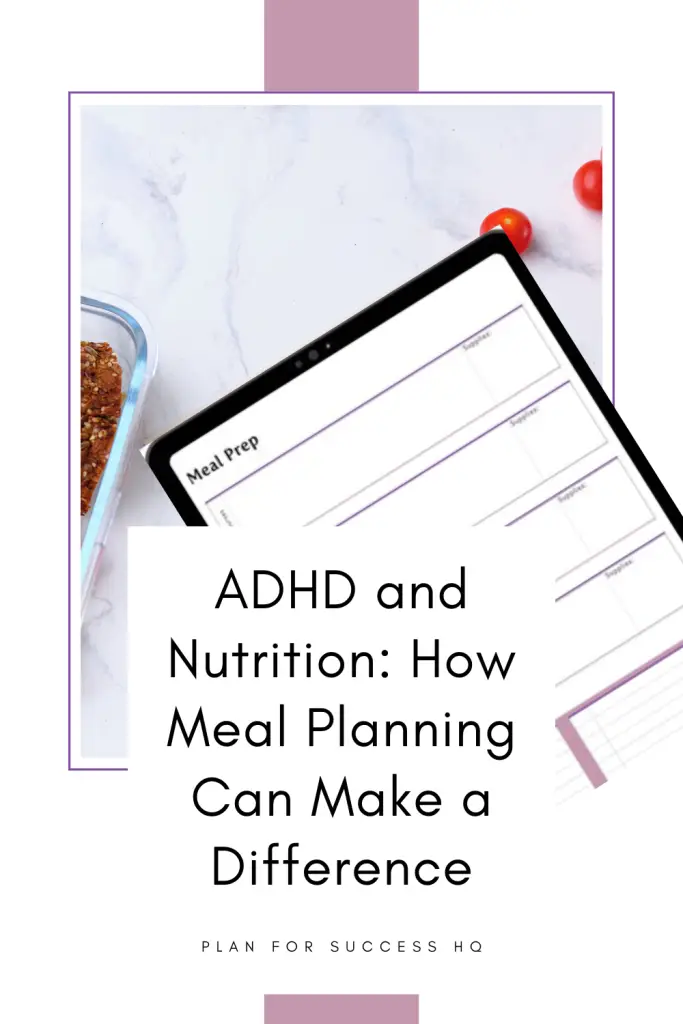
Understanding ADHD and Nutrition
Here’s the truth: ADHD doesn’t just affect focus and organization — it also impacts the way you eat. Impulsivity, poor time management, and forgetfulness can lead to skipped meals, late-night snacking, or grabbing whatever’s easiest (hello, sugar and processed foods). The problem? Those choices can spike energy, crash focus, and make symptoms worse.
Key ways ADHD and nutrition are linked:
- Impulsivity → poor food choices: Quick snacks instead of balanced meals.
- Time-blindness → skipped meals: Forgetting to eat until you’re starving.
- Low executive function → disorganized eating: No plan = chaos in the kitchen.
But here’s the good news — certain nutrients actually support brain health and may help manage ADHD symptoms:
- Omega-3 fatty acids: Found in salmon, chia seeds, and walnuts — linked to better focus and mood regulation.
- Iron and zinc: Help with neurotransmitter function, which impacts attention and energy.
- Protein + complex carbs: Provide steady fuel, keeping blood sugar stable and focus strong.
👉 Bottom line: When you pair ADHD with the right nutrition and a simple meal planning system, you set yourself up for fewer crashes, less stress, and a clearer mind.
Benefits of Meal Planning for ADHD
Meal planning isn’t just about saving time in the kitchen — for ADHD brains, it’s a lifeline. Structure and routine take away the guesswork, reduce stress, and free up mental energy for what actually matters.
Here’s why meal planning is a game-changer for ADHD:
- Reduces decision fatigue: No more standing in front of the fridge asking, “What do I eat?”
- Creates structure: Consistent meals = consistent energy. Your brain loves predictability.
- Improves focus + clarity: Balanced meals with protein and complex carbs support steady concentration.
- Saves time + money: Fewer last-minute takeout orders, more efficient grocery shopping.
- Cuts stress at dinner time: You already know what’s on the menu, so evenings run smoother.
- Boosts overall well-being: Nourishment fuels not just your body but also your executive functioning.
👉 Pro Hack: Use a printable or digital ADHD meal planner to keep everything in one place — grocery lists, meal ideas, and prep notes. It’s like an external brain that takes the pressure off.
Tips for Effective Meal Planning for ADHD
Meal planning doesn’t have to be complicated. In fact, the simpler the system, the better. Here are the top strategies to make it stick:
1. Keep It Simple
Forget elaborate recipes with 15 ingredients — ADHD brains thrive on repeatable, easy meals. Rotate a few go-to breakfasts, lunches, and dinners each week.
- Example: Taco Tuesday, Stir-Fry Friday, Overnight Oats for breakfast.
- Build a “master list” of 10–15 meals you love and reuse them.
2. Use Visual Reminders
If you can’t see it, you’ll forget it. Visual cues are key.
- Hang a meal planning board on the fridge.
- Use sticky notes or a weekly whiteboard to outline meals.
- Bonus: Snap a pic of your plan so you’ve always got it on your phone.
3. Prep Ahead
Impulsivity is the enemy of healthy eating — but prepping ahead keeps you on track.
- Batch cook proteins like chicken or ground beef.
- Wash + chop veggies right after grocery shopping.
- Cook once, eat twice: turn dinner leftovers into tomorrow’s lunch.
4. Involve Your Support System
Don’t do it alone. Ask family members, roommates, or a partner to pitch in.
- Kids can help pack lunches.
- Partners can handle grocery runs or prep.
- Accountability keeps the system moving.
5. Stay Flexible
ADHD brains rebel against rigid rules. Build wiggle room into your meal plan.
- Keep 2–3 “backup meals” (like frozen veggies, pasta, or eggs) on hand.
- If you skip a day or swap meals, it’s not failure — it’s flexibility.
👉 Pro Hack: Pair meal planning with a fun ritual — like coffee and music on Sunday morning. Make it enjoyable, and you’ll actually stick with it.
Additional Strategies for Success
Even with the best system, ADHD can throw curveballs. These extra strategies will help you stay on track and make meal planning feel less like a chore and more like a tool you actually enjoy using.
Create a Detailed Grocery List
Going to the store without a plan = disaster. ADHD brains love impulse buys, which usually means chips, cookies, and random stuff you don’t need.
- Make a list before you shop.
- Organize it by store sections (produce, dairy, frozen) to keep focus.
- Stick to the list — no wandering the snack aisle.
Pay Attention to Food Sensitivities
Some people with ADHD are more sensitive to artificial dyes, preservatives, or high-sugar foods.
- Notice how different foods make you feel.
- Adjust your meal plan to reduce potential triggers.
Use Apps and Technology
Don’t rely on memory alone — outsource it.
- Meal planning apps and grocery list apps can send reminders.
- Set phone alarms for mealtimes so you don’t skip eating.
- Take photos of your pantry/freezer so you remember what’s inside.
Practice Self-Care and Mindfulness
Meal planning isn’t just about food — it’s about reducing stress.
- Treat cooking as a self-care ritual, not a burden.
- Add calming habits: light a candle, play music, involve your kids.
- Be kind to yourself if you skip a plan. Progress > perfection.
Make It Fun and Social
Don’t do it alone if you don’t have to.
Share ADHD-friendly meal ideas in online communities for inspiration.
Cook with family or friends.
Try new recipes together once a week.
👉 Remember: Meal planning with ADHD isn’t about perfection. It’s about creating a flexible system that reduces chaos and supports your brain.
FAQ – Meal Planning with ADHD
Q: Is meal planning hard with ADHD?
It can be — impulsivity and distractibility make consistency tough. But with simple systems like checklists, visual boards, and flexible routines, it becomes manageable (and even enjoyable).
Q: Why do people with ADHD struggle with food?
Impulsivity often leads to quick, less nutritious choices. Time-blindness means meals get skipped until hunger is overwhelming. Add “brain fog,” and making healthy choices feels impossible without a plan.
Q: How do you plan food with ADHD?
Start small. Create a repeatable mealtime routine, keep a short list of go-to meals, and use visual reminders. Batch prep when you have energy, and lean on support systems to stay accountable.
Q: Is meal prep good for ADHD?
Yes. Prepping meals in advance removes daily decision fatigue, reduces stress, and makes healthy eating automatic. Having ready-to-go meals or snacks helps keep energy stable and focus sharp.
Bottom Line
Living with ADHD can make daily life feel chaotic — but meal planning is one tool that brings structure, balance, and peace of mind. By creating a simple system, prepping ahead, and focusing on ADHD-friendly foods, you’ll fuel your brain, reduce stress, and free up mental energy for the things that matter most.
It doesn’t have to be perfect. It doesn’t have to be complicated. Small, consistent steps will change how you eat and how you feel.